


 Licensed
 All Dubai
 Home Maintenance
Why Your Water Heater Is Vibrating: 5 Common Causes
 Alex Plumber
 Feb 01, 2026
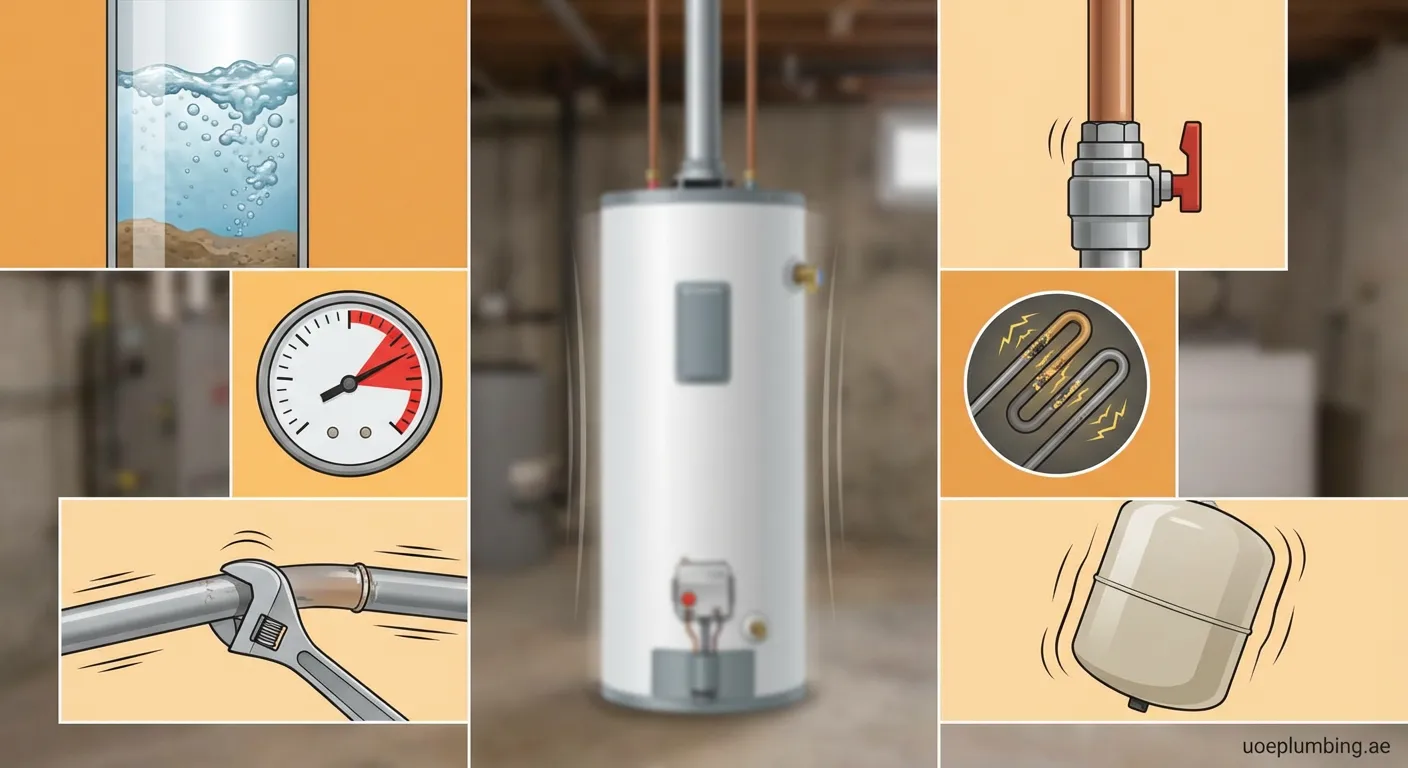
Is a rumbling noise disrupting your peace? A vibrating water heater isn't just annoying; it signals internal issues. Here is why it happens and how to fix it before it fails.
A noisy appliance can be alarming, especially when it deals with hot water and high pressure. If you are noticing a hum, a shake, or a rumble coming from your utility room, you are likely asking yourself: Why your water heater is vibrating? This is a common issue for homeowners, but ignoring it can lead to significant damage or unit failure.
Here, we will explore the technical reasons behind the shaking and provide actionable steps to resolve it.
1. Sediment Buildup (The "Kettling" Effect)
The absolute most common reason why your water heater is vibrating is the accumulation of sediment at the bottom of the tank. Water contains minerals like calcium and magnesium. Over time, these minerals settle at the bottom of the heater, forming a layer of sand-like debris.
When the heating element (in electric units) or the burner (in gas units) heats the water, this sediment layer traps small amounts of water underneath it. As that trapped water turns to steam, it bubbles up through the sediment layer, creating popping sounds and physical vibrations. This phenomenon is known as "kettling."
- The Fix: You need to flush your water heater. Connect a garden hose to the drain valve at the bottom of the tank and let the water run until it is clear of debris. This should be done annually.
2. Loose Heating Elements
For electric water heaters, loose internal components are a frequent culprit. If the heating element is not securely tightened, the flow of water and the thermal expansion can cause it to rattle against the tank walls. This creates a humming sound and a noticeable vibration.
If you suspect this is why your water heater is vibrating, you will need to turn off the power to the unit at the breaker box before investigating.
- The Fix: Tighten the bolts holding the heating element in place. If the element is damaged, it must be replaced to stop the vibration and ensure efficient heating.
3. Water Hammer
Sometimes the vibration isn't coming from the heater itself, but from the pipes connected to it. "Water hammer" occurs when a water valve is shut off suddenly, causing the fast-moving water to crash against the shut-off valve or pipe walls. This shockwave travels back to the water heater, causing it to shake violently.
- The Fix: Install water hammer arrestors on your supply lines. These devices act as shock absorbers for the hydraulic pressure.
4. High Water Pressure
If the municipal water pressure entering your home is too high (above 80 PSI), it can cause your appliances to vibrate and strain the heater’s internal walls. This not only explains why your water heater is vibrating, but it also poses a risk of bursting pipes.
- The Fix: Use a pressure gauge to test your water supply. If it is too high, you will need to install a pressure-reducing valve (PRV) on the main water line.
5. The Thermal Expansion Tank
In closed plumbing systems, a thermal expansion tank is used to absorb excess pressure created when water heats up and expands. If this tank fails or loses its air charge, the excess pressure has nowhere to go, causing the main water heater tank to vibrate or groan under stress.
Summary of Troubleshooting Steps
- Listen: Is it a popping sound (sediment) or a clanging sound (loose parts)?
- Inspect: Check for loose bolts or external pipe movement.
- Flush: Drain the tank to remove mineral deposits.
- Measure: Check the water pressure entering your home.
Understanding why your water heater is vibrating is the first step toward a safer home. Regular maintenance not only stops the noise but extends the lifespan of your appliance.
Stop the Vibration Today
Ignoring a shaking unit often leads to leaks. Regular flushing usually resolves issues explaining why your water heater is vibrating. If you need local assistance, check our service for Faucet-repair Al Ayas and heater maintenance.
 water heater repair, vibrating heater, plumbing tips, sediment buildup
