


 Licensed
 All Dubai
 Plumbing Guides
Copper vs PEX Pipes: A Complete Guide
 Alex Drain
 Jan 25, 2026
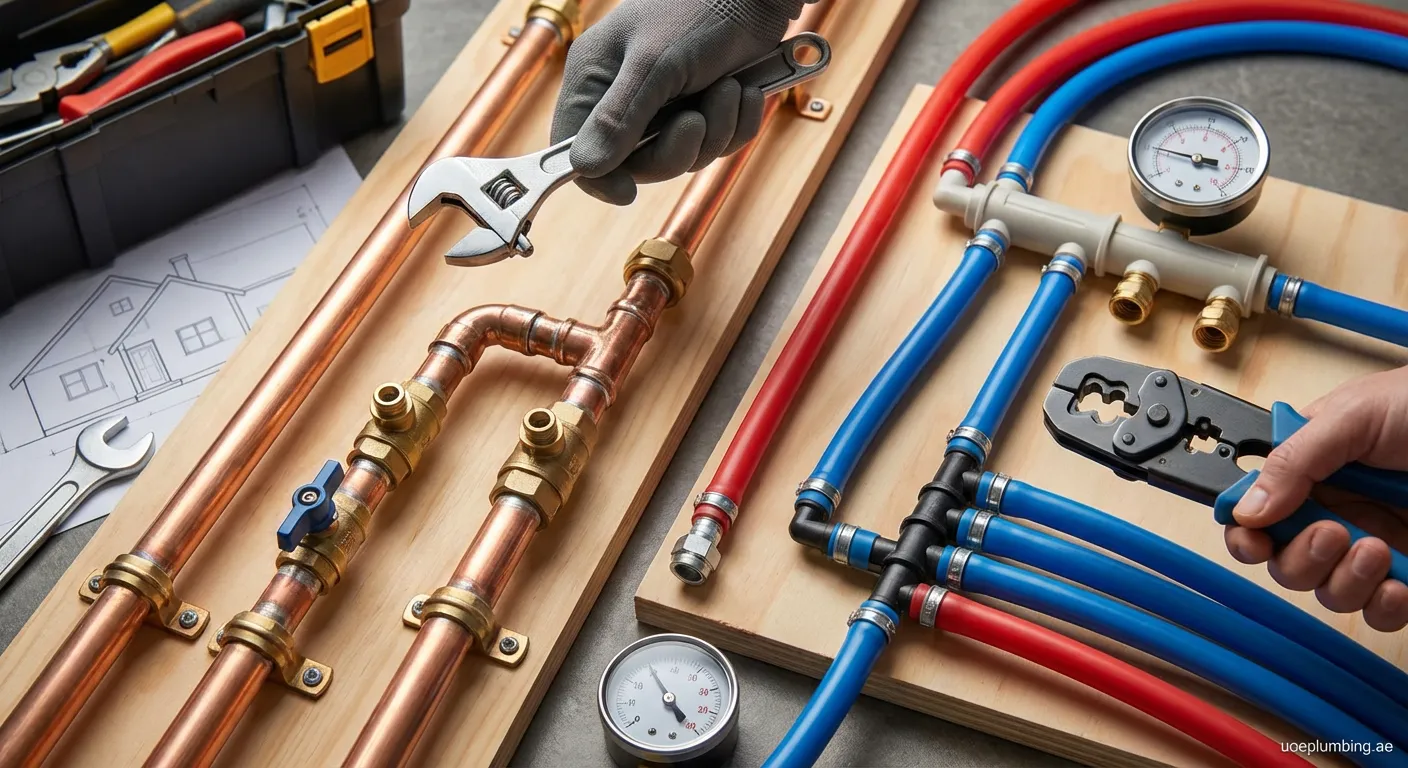
Choosing the right plumbing material is crucial for any renovation. Understanding the difference between copper and PEX pipes ensures you make the best decision for long-lasting results.
When planning a home renovation or a re-piping project, homeowners are often faced with a critical decision: which material to use for their plumbing system? Two contenders dominate the market today: traditional copper and modern PEX (cross-linked polyethylene). Understanding the difference between copper and PEX pipes is essential for making an informed choice that balances cost, durability, and ease of installation.
The Legacy of Copper Pipes
Copper has been the gold standard in plumbing for decades. It is a metal known for its durability and reliability.
Pros of Copper
- Longevity: Copper pipes can last 50 to 70 years.
- Fire Resistance: Being metal, they do not melt or give off toxic fumes in a fire.
- Outdoor Use: Unlike PEX, copper is resistant to UV rays and can be used outside.
- Recyclable: Copper is an environmentally friendly material that is fully recyclable.
Cons of Copper
- Cost: The price of copper fluctuates but is generally significantly higher than plastic alternatives.
- Freezing Risk: Copper is rigid; if water freezes inside, the pipe is likely to burst.
- Corrosion: Over time, acidic water can cause corrosion, leading to pinhole leaks.
The Rise of PEX Tubing
PEX is a flexible plastic piping that has revolutionized the industry since its introduction. It offers a versatile alternative to rigid metal pipes.
Pros of PEX
- Flexibility: PEX can bend around corners, reducing the need for fittings and potential leak points.
- Cost-Effective: It is much cheaper to manufacture and transport than copper.
- Freeze Resistance: The material can expand slightly, making it less prone to bursting in freezing temperatures.
- Ease of Installation: No soldering is required, making it a favorite for DIYers.
Cons of PEX
- UV Sensitivity: PEX cannot be used outdoors as sunlight degrades the plastic rapidly.
- Permeability: Standard PEX may allow oxygen to enter the system, which can corrode ferrous components in heating systems (though oxygen-barrier PEX exists).
Comparative Analysis
To truly grasp the best option, one must dive deeper into understanding the difference between copper and PEX pipes regarding installation and maintenance.
Installation Complexity
Copper requires soldering, which involves a torch and open flame. This requires skill and safety precautions. In contrast, PEX utilizes crimp rings or push-to-connect fittings, which are faster and safer to install. For retrofitting in tight spaces, PEX is the clear winner due to its flexibility.
Lifespan and Durability
While copper has a proven track record, PEX is catching up. PEX is immune to the corrosion that plagues copper in acidic water conditions. However, rodents have been known to chew through PEX tubing, a problem non-existent with copper.
"Choosing between these materials often comes down to budget and specific application. Understanding the difference between copper and PEX pipes allows you to optimize for both."
In summary, if you are plumbing an outdoor line, copper is your only choice. for indoor water supply lines, PEX offers a budget-friendly and durable solution, while copper remains the premium choice for those valuing tradition and rigidity.
Final Thoughts on Pipe Selection
Understanding the difference between copper and PEX pipes helps you plan better renovations. If you need professional help, we also have a service for Shower-mixer-repair Al Aqah to keep your bathroom plumbing in perfect shape.
 copper vs pex, plumbing pipes, home improvement, pipe comparison
