


 Licensed
 All Dubai
 Plumbing Problems
Why Your Toilet Water Is Thick: Causes and Solutions
 Michael Johnson
 Aug 27, 2026
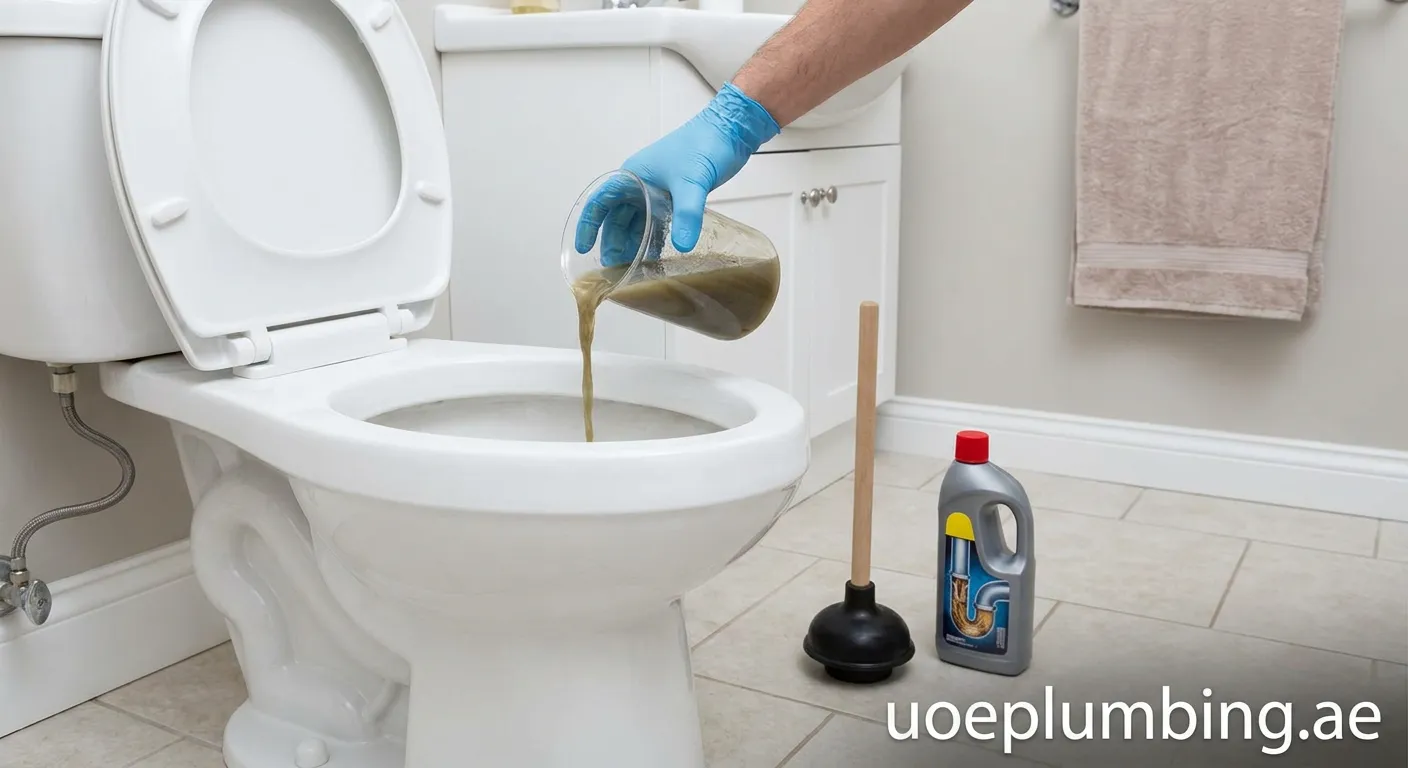
Noticing thick or murky water in your toilet bowl can be concerning and unpleasant. Understanding why your toilet water is thick helps identify underlying plumbing issues that need attention.
What Causes Thick Toilet Water?
When you notice your toilet water has an unusual thickness or murky appearance, it's essential to identify the root cause. Why your toilet water is thick can stem from several sources, ranging from harmless mineral deposits to serious plumbing issues.
Common Reasons for Thick Water
1. Bacterial Growth and Biofilm
One of the most common reasons for thick toilet water is bacterial growth. Bacteria naturally present in water can multiply and form a biofilm, creating a slimy or thick consistency. This often happens when:
- The toilet hasn't been flushed regularly
- Water sits stagnant for extended periods
- Organic matter accumulates in the bowl
2. Hard Water and Mineral Deposits
Hard water contains high levels of calcium and magnesium. Over time, these minerals accumulate and can make water appear thick or cloudy. You might also notice:
- White scale buildup on bowl surfaces
- Reduced flushing efficiency
- Stains that are difficult to remove
3. Sewer Line Problems
Understanding why your toilet water is thick sometimes points to serious sewer line issues. When sewer lines develop cracks or blockages, contaminants can backflow into your toilet, creating thick, discolored water.
Health Implications
Thick toilet water isn't just unsightly—it can pose health risks:
- Bacterial exposure: Pathogens in thick water can cause illness
- Mold spores: Stagnant water promotes mold growth
- Sewage contamination: Backflow issues expose you to harmful waste
"Ignoring thick toilet water can lead to serious health problems and expensive plumbing repairs." — Plumbing Safety Guidelines
How to Diagnose the Problem
Visual Inspection
Check for these signs:
| Symptom | Possible Cause |
|---|---|
| Slimy film | Bacterial biofilm |
| Cloudy white water | Hard water minerals |
| Brown/green tint | Algae or sewage |
| Foul odor | Sewer line issue |
Testing Your Water
Consider these steps to determine why your toilet water is thick:
- Check other fixtures: If only the toilet is affected, the issue is likely local
- Test water hardness: Use a home testing kit
- Inspect the tank: Look for buildup or contamination
- Monitor flushing: Note any drainage problems
Effective Solutions
For Bacterial Growth
- Clean the bowl thoroughly with antibacterial cleaners
- Increase flushing frequency
- Consider automatic toilet cleaners
- Ensure proper ventilation in the bathroom
For Hard Water Issues
- Install a water softener system
- Use vinegar to dissolve mineral deposits
- Apply specialized toilet bowl cleaners
- Schedule regular maintenance cleaning
For Sewer Line Problems
When why your toilet water is thick relates to sewer issues:
- Contact a professional plumber immediately
- Avoid using harsh chemicals that may worsen the problem
- Document any odors or backflow incidents
- Consider a sewer line inspection
Prevention Tips
Preventing thick toilet water requires consistent maintenance:
- Regular cleaning: Weekly deep cleaning prevents buildup
- Proper ventilation: Reduces moisture and bacterial growth
- Prompt repairs: Address leaks and drainage issues quickly
- Water quality monitoring: Test your water supply periodically
When to Call a Professional
Some situations require expert intervention:
- Persistent thick water despite cleaning
- Multiple fixtures affected
- Visible sewage or strong odors
- Recurring drainage problems
Professional plumbers have specialized equipment to identify and resolve the underlying causes of thick toilet water effectively.
Take Action for Clear Water
Understanding why your toilet water is thick helps you address the problem effectively. Whether caused by bacteria, minerals, or sewer issues, prompt action prevents health risks. For professional assistance, contact Plumbing company Digdaga to resolve your plumbing concerns quickly.
 toilet problems, plumbing issues, water quality, bathroom maintenance, thick water
