


 Licensed
 All Dubai
 Plumbing Tips
The Importance of Trap Seals for Home Safety
 Michael Reynolds
 Sep 06, 2026
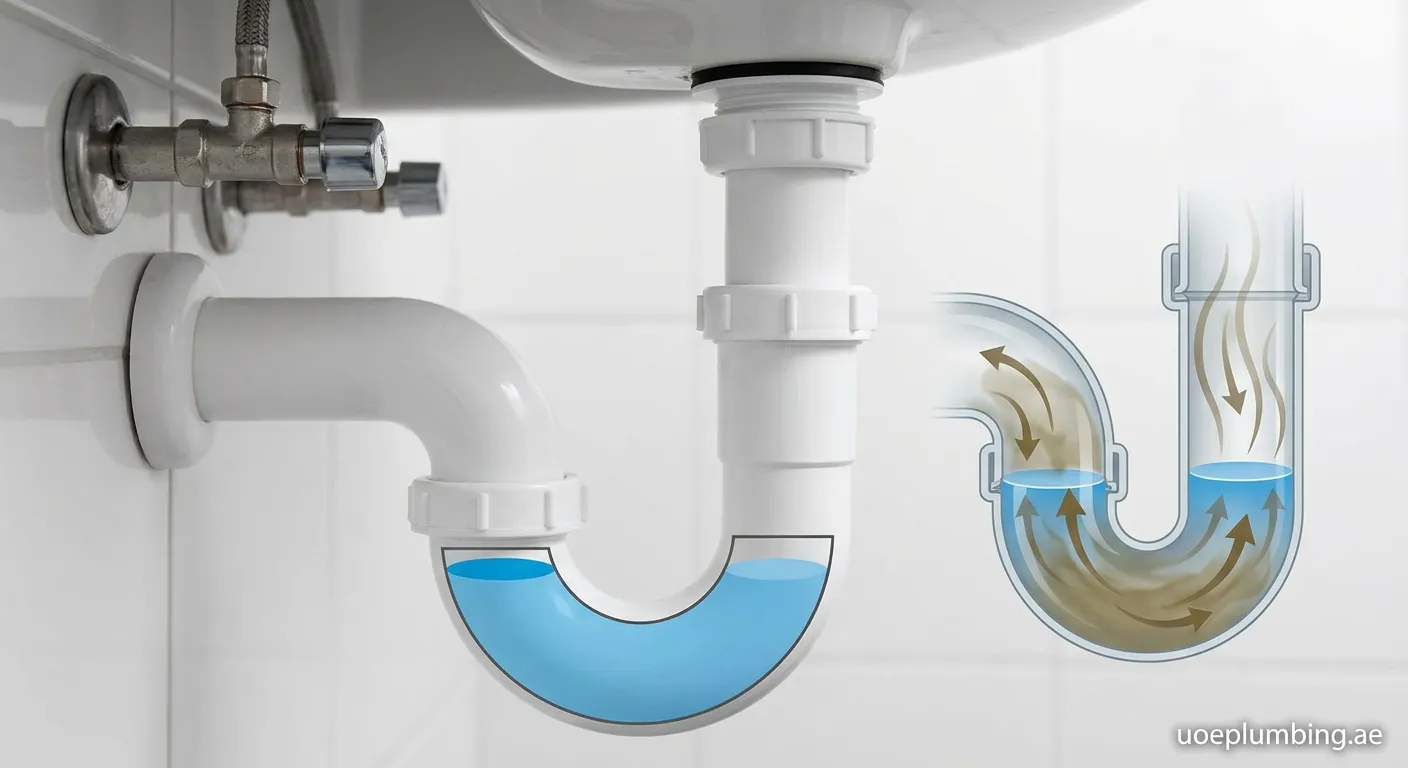
Trap seals protect your home from dangerous sewer gases every day. Understanding their importance helps you maintain a healthy plumbing system and prevent costly repairs.
What Are Trap Seals and How Do They Work?
A trap seal is the water barrier inside your plumbing trap that blocks sewer gases from entering your home. Every drain fixture has a P-trap, S-trap, or bottle trap containing a curved section that holds standing water.
The importance of trap seals lies in their ability to create an airtight barrier between your living space and the sewer system. Without this water seal, harmful gases like methane and hydrogen sulfide could flow freely into your home.
The Mechanics Behind Trap Seals
- Water forms a physical barrier in the trap's curved section
- The seal breaks only when water flows through the drain
- After draining, water returns to restore the seal
- Proper venting maintains atmospheric pressure balance
Why Trap Seals Are Critical for Your Health
The importance of trap seals extends beyond simple plumbing function—it directly impacts indoor air quality and family health. Sewer gases contain multiple hazardous compounds:
| Gas Type | Health Risk |
|---|---|
| Methane | Flammable, asphyxiation risk |
| Hydrogen sulfide | Toxic, rotten egg smell |
| Ammonia | Respiratory irritation |
| Bacteria | Airborne pathogens |
Warning Signs of Compromised Trap Seals
Watch for these indicators that your trap seals may be failing:
- Persistent drain odors – Sewer smell in bathrooms or kitchen
- Gurgling sounds – Air bubbles escaping through drains
- Slow drainage – Blockages affecting seal integrity
- Dry traps – Infrequently used drains lose water to evaporation
Common Causes of Trap Seal Failure
The importance of trap seals becomes clear when you understand what causes them to fail:
Evaporation
In dry climates or during winter with heating systems running, water in unused traps evaporates. A trap can dry out completely within 3-5 weeks without use.
Siphonage
Improper venting causes negative pressure that pulls water out of the trap. This commonly occurs when:
- Vents are blocked by debris or nests
- Vent pipes are undersized
- Multiple fixtures drain simultaneously
Blockages and Leaks
Physical obstructions or cracks in the trap can prevent the water seal from forming properly.
Maintaining Healthy Trap Seals
Preserving the importance of trap seals requires proactive maintenance:
- Run water weekly in rarely used drains (30 seconds minimum)
- Install trap seal primer devices for automatic water replenishment
- Check vent pipes annually for blockages
- Address slow drains immediately before they worsen
- Add mineral oil to slow evaporation in guest bathrooms
Professional Inspection Benefits
A licensed plumber can assess your entire drainage system, ensuring:
All traps maintain proper water levels and venting systems function correctly. Regular inspections cost far less than emergency repairs.
Building Codes and Trap Seal Requirements
Modern plumbing codes mandate minimum trap seal depths of 2-4 inches depending on fixture type. These regulations exist because the importance of trap seals has been proven through decades of public health data.
Building inspectors verify:
- Proper trap design and installation
- Adequate venting systems
- Correct trap seal depth measurements
Don't underestimate the importance of trap seals in maintaining a safe, healthy home environment.
Keep Your Trap Seals Working
Understanding the importance of trap seals helps protect your home and family. Regular maintenance prevents costly repairs. If you need professional assistance, we offer reliable Leak-repair Al Murar services.
 trap seals, plumbing, drain maintenance, sewer gas prevention, drain
