


 Licensed
 All Dubai
 Plumbing Guides
How to Fix a Leaking Hub: Complete DIY Repair Guide
 Michael Thompson
 Jul 23, 2026
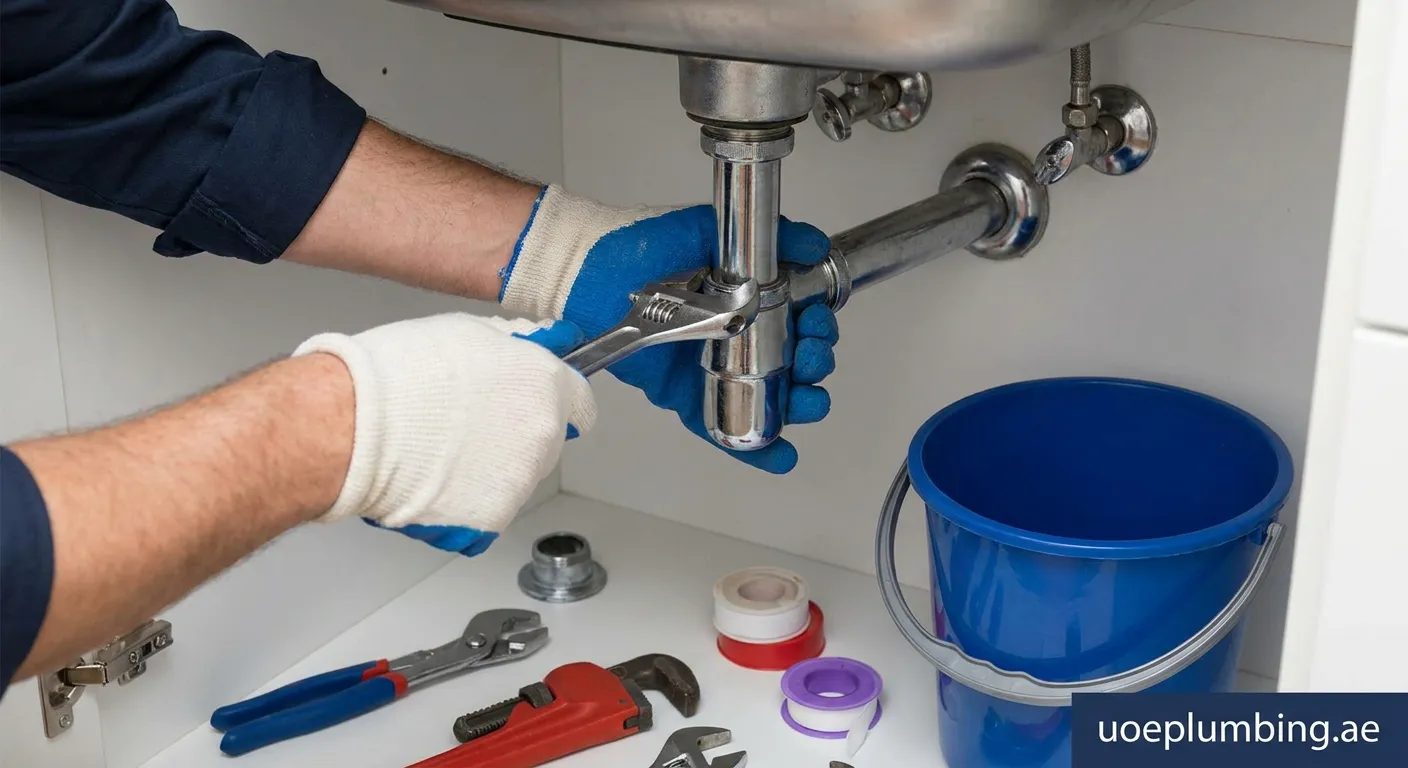
Discovering a leaking hub can be stressful, but with proper guidance, you can resolve this issue efficiently.
How to Fix a Leaking Hub: Step-by-Step Guide
Understanding Hub Leaks
A leaking hub is a common plumbing issue that can lead to significant water damage if left unattended. The hub connection serves as a critical junction point in your plumbing system, typically connecting pipes to fixtures or joining different pipe sections.
How to fix a leaking hub starts with identifying the root cause. Most leaks occur due to worn gaskets, loose connections, corrosion, or improper installation.
Common Signs of Hub Leaks
- Visible water pooling around the connection
- Damp spots on walls or ceilings
- Reduced water pressure
- Unusual sounds in pipes
- Higher water bills
Tools and Materials Needed
Before attempting to fix a leaking hub, gather these essential items:
- Adjustable wrench set
- Pipe wrench
- Replacement gaskets or O-rings
- Plumber's tape (PTFE)
- Pipe sealant or silicone grease
- Clean rags
- Bucket for water collection
- Flashlight for better visibility
Step-by-Step Repair Process
Step 1: Shut Off Water Supply
Locate your main water shutoff valve and turn it clockwise to stop water flow. Open nearby faucets to drain remaining water from the lines.
Step 2: Access the Leaking Hub
Clear any obstacles around the affected area. Use proper lighting to inspect the hub connection thoroughly.
Step 3: Identify the Leak Source
Clean the area around the hub with a dry rag. Run your finger along the connection to pinpoint exactly where water escapes.
"Most hub leaks are caused by simple wear and tear that can be fixed within an hour," notes plumbing expert David Chen.
Step 4: Tighten or Replace Components
For loose connections: Use an adjustable wrench to gently tighten the hub nuts. Avoid over-tightening as this can damage the fitting.
For worn gaskets: Disassemble the connection, remove old gaskets, and install new ones coated with silicone grease.
Step 5: Apply Sealant
Wrap plumber's tape clockwise around threaded connections (2-3 layers). Apply pipe sealant for additional protection against leaks.
Step 6: Reassemble and Test
Reconnect all components, ensuring proper alignment. Turn on water supply slowly and check for any remaining leaks.
Prevention Tips for Future Leaks
Regular maintenance prevents most hub leaks:
- Inspect connections quarterly for signs of wear
- Replace gaskets every 2-3 years in high-use areas
- Address minor drips immediately before they worsen
Final Thoughts
Fixing a leaking hub requires patience and proper tools, but most homeowners can handle it successfully. For complex issues or if you need professional assistance, our team at Water-heater-repair Al Quoz 1 is ready to help with expert solutions.
 plumbing repair, hub leak, DIY fix, water heater, maintenance
