


 Licensed
 All Dubai
 Plumbing Tips
Why Your Toilet Water is Purple: Causes and Solutions
 Michael Johnson
 Mar 19, 2026
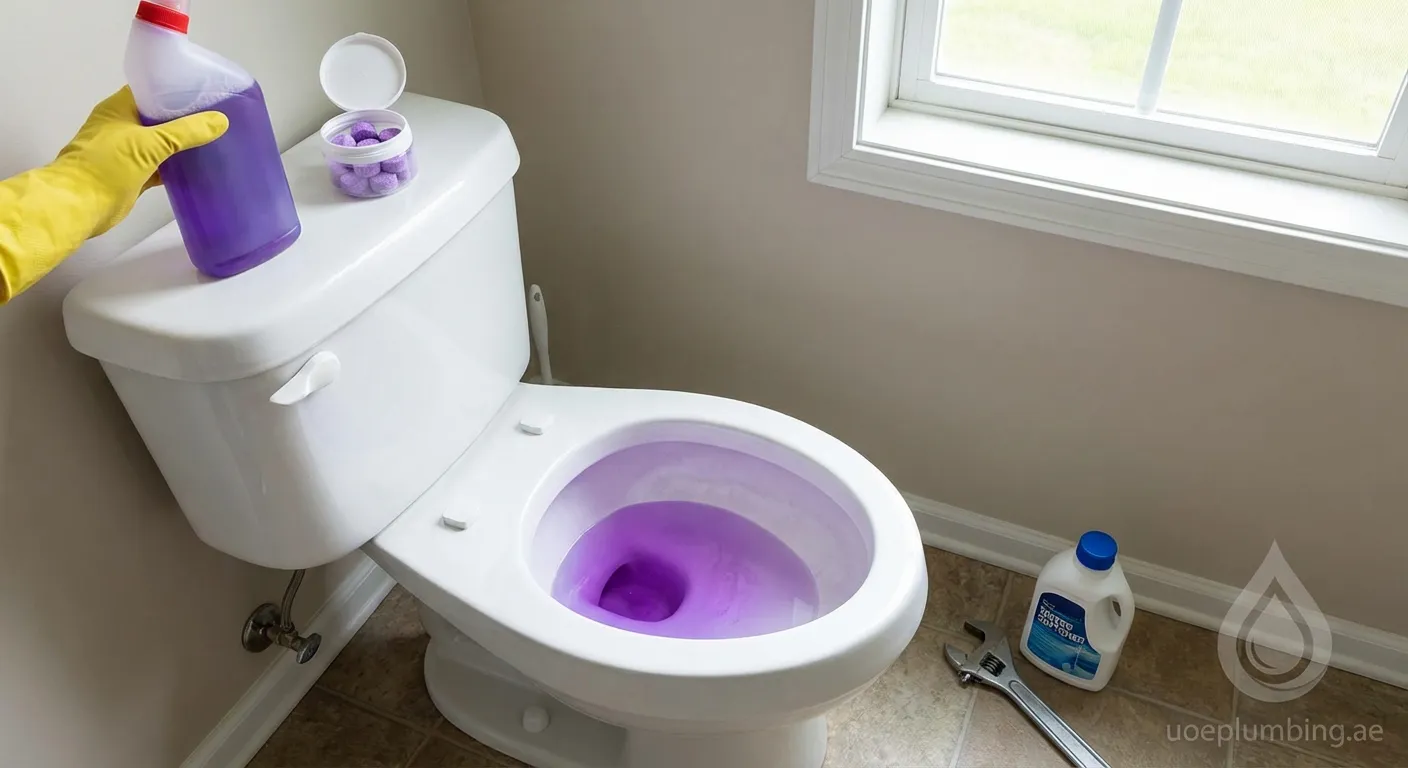
Finding purple water in your toilet bowl can be alarming and confusing. Why your toilet water is purple is a question many homeowners face, and understanding the root cause is essential for proper resolution.
Common Causes of Purple Toilet Water
When you notice an unusual purple tint in your toilet bowl, several factors could be responsible. Why your toilet water is purple typically points to one of these common causes:
Potassium Permanganate in Water Supply
One of the most frequent reasons for purple toilet water is the presence of potassium permanganate in your water supply. Water treatment facilities use this chemical to:
- Remove iron and manganese from water
- Control odor and taste issues
- Disinfect water supplies
When potassium permanganate concentration is higher than normal, it can give water a pink to purple coloration.
Bacterial Growth and Biofilm
Certain types of bacteria can produce pigments that appear purple or pink:
"Serratia marcescens and other pigment-producing bacteria can create pink or purple stains in toilets, especially in humid environments."
These bacteria thrive in moist conditions and feed on minerals and organic matter present in water.
Pipe Material Corrosion
Older plumbing systems, particularly those with copper pipes, may contribute to discoloration. As pipes corrode, they can release particles that interact with water treatment chemicals, resulting in unusual colors.
Testing Your Water Quality
Before attempting any solutions, it's crucial to identify the exact cause. Here's what you can do:
DIY Testing Methods
- Check multiple fixtures - See if the purple color appears in sinks and bathtubs
- Contact your water supplier - Ask about recent treatment changes
- Use a water testing kit - Available at hardware stores
- Inspect your pipes - Look for visible corrosion or damage
Professional Water Testing
For accurate results, consider hiring a professional to test your water for:
- Mineral content
- Bacterial presence
- Chemical contaminants
- pH levels
Effective Solutions
Understanding why your toilet water is purple helps determine the right solution:
For Water Treatment Issues
If potassium permanganate is the cause:
- Run cold water taps for several minutes
- Contact your water supplier about adjusting treatment levels
- Install a water filtration system
For Bacterial Problems
To address bacterial growth:
- Clean toilet bowl with disinfectant regularly
- Improve bathroom ventilation
- Check for leaks that create moist environments
For Pipe-Related Issues
When pipes are the culprit:
- Consider pipe replacement for severely corroded systems
- Install a water softener to reduce mineral buildup
- Schedule regular plumbing inspections
When to Call a Professional
While some causes of purple toilet water are harmless, others require expert attention. Contact a licensed plumber if:
- The discoloration persists despite cleaning
- You notice changes in water pressure
- Water has an unusual odor or taste
- Multiple fixtures show discoloration
- Pipes show visible signs of damage
Prevention Tips
Maintain clear toilet water with these preventive measures:
- Regular cleaning - Prevent bacterial buildup with weekly disinfection
- Monitor water quality - Stay informed about municipal water treatment
- Maintain plumbing - Schedule annual plumbing inspections
- Improve ventilation - Reduce humidity in bathrooms
Take Action Today
Understanding why your toilet water is purple is the first step toward resolving this issue. Whether it's water treatment chemicals, bacterial growth, or pipe corrosion, proper diagnosis ensures effective solutions. For expert assistance, we also offer professional services in Ras Al Khor Industrial Area 1 Shower-mixer-repair Ras Al Khor Industrial Area 1.
 toilet problems, plumbing issues, water discoloration, home maintenance
