


 Licensed
 All Dubai
 Plumbing Systems
Understanding the Vent Stack and Its Role in Plumbing Systems
 Michael Harrison
 Jun 14, 2026
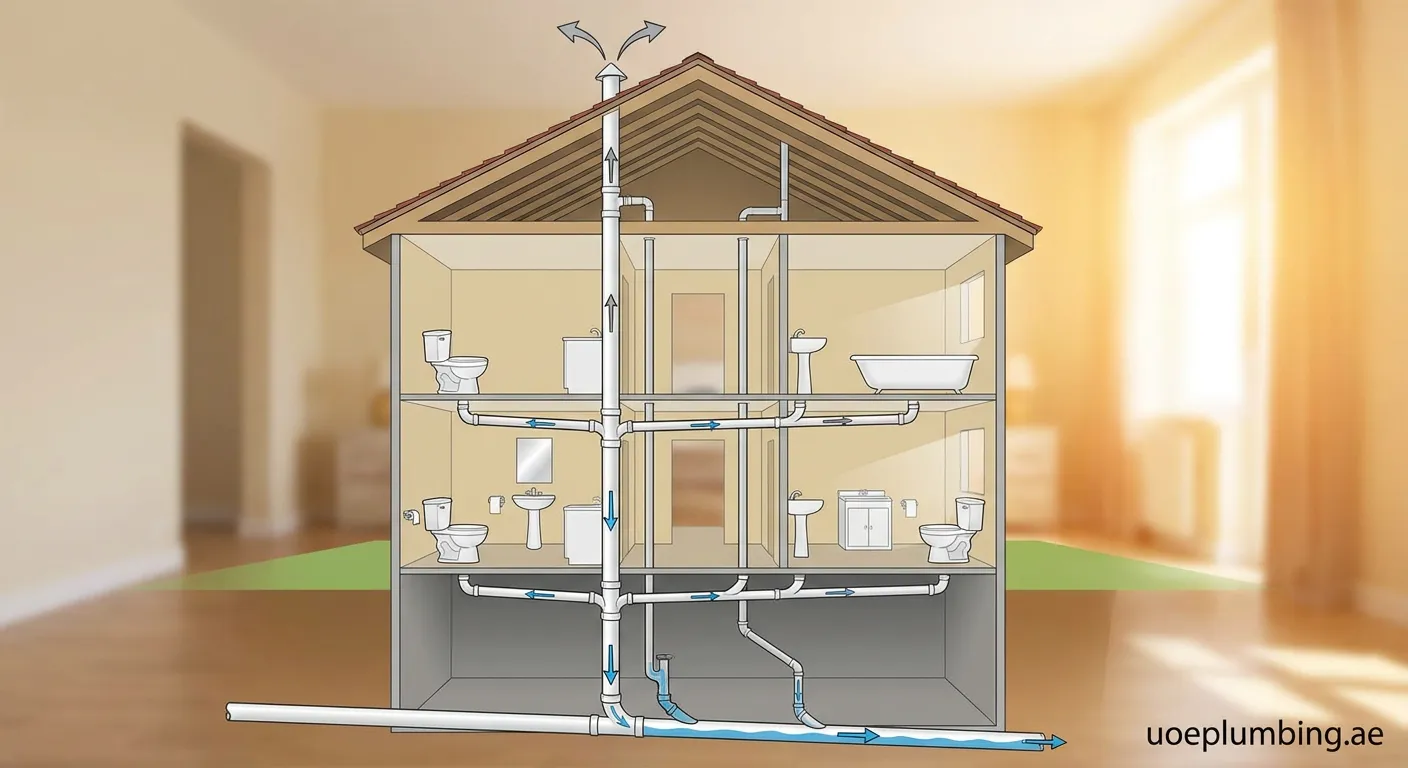
Understanding the vent stack and its role is essential for maintaining a healthy plumbing system in your home.
What Is a Vent Stack?
A vent stack is a vertical pipe that runs from your drainage system up through the roof of your building. It serves as a critical component in modern plumbing by allowing fresh air to enter the system while safely expelling sewer gases outside.
Unlike drain pipes that carry wastewater away, the vent stack's primary function is air regulation. This seemingly simple mechanism is essential for maintaining proper pressure throughout your entire plumbing network.
Key Functions of Vent Stacks
Pressure Balance – When water flows down a drain, it creates negative pressure behind it. Without proper ventilation, this vacuum effect can siphon water from P-traps, leaving them dry and useless.
Sewer Gas Prevention – P-traps hold water that blocks sewer gases from entering your home. Understanding the vent stack and its role helps explain why these traps need consistent water levels to function properly.
Odor Control – By directing harmful gases upward through the roof, vent stacks prevent unpleasant smells from accumulating in living spaces.
How Vent Stacks Work with Drain Pipes
Every fixture in your home—sinks, toilets, showers—connects to both drain pipes and the venting system. When you flush a toilet or run water down a sink:
- Wastewater flows through horizontal drain pipes toward the main sewer line
- Simultaneously, air enters through the vent stack to replace displaced volume
- This equalizes pressure and prevents trap seal loss
"A properly functioning vent stack is invisible to homeowners—it works silently in the background until something goes wrong." – Plumbing Industry Standard
Common Signs of Vent Stack Problems
Recognizing issues early can prevent costly repairs:
Gurgling Sounds – Bubbling or gurgling noises from drains indicate trapped air struggling to escape through blocked vents.
Slow Drainage – Multiple fixtures draining slowly simultaneously suggests ventilation problems rather than simple clogs.
Foul Odors – Sewer smells inside your home often mean compromised trap seals due to inadequate venting.
Causes of Blockages
- Bird nests or animal debris in exposed roof pipes
- Ice accumulation during freezing weather
- Debris buildup over time
- Structural damage from storms or settling
Maintenance Tips for Homeowners
While major repairs require professionals, homeowners can take preventive steps:
- Visual Inspections – Periodically check visible portions for damage or obstruction
- Roof Access Safety – Never attempt to clear blockages yourself without proper safety equipment
- Professional Cleaning – Schedule regular inspections every few years
- Immediate Action – Address unusual sounds or odors promptly before problems escalate
Keep Your Plumbing Healthy
Now you have a better understanding of the vent stack and its role in your home's plumbing. If you notice unusual odors or slow drains, consider scheduling a professional inspection. We also offer reliable Plumbing-services in Saih Shua'ilah to help you resolve any issues quickly.
 vent stack, plumbing ventilation, drainage system, sewer gases
