


 Licensed
 All Dubai
 Home Appliance Maintenance
Troubleshooting a Dishwasher That Won't Drain
 Mark Reynolds
 Oct 22, 2026
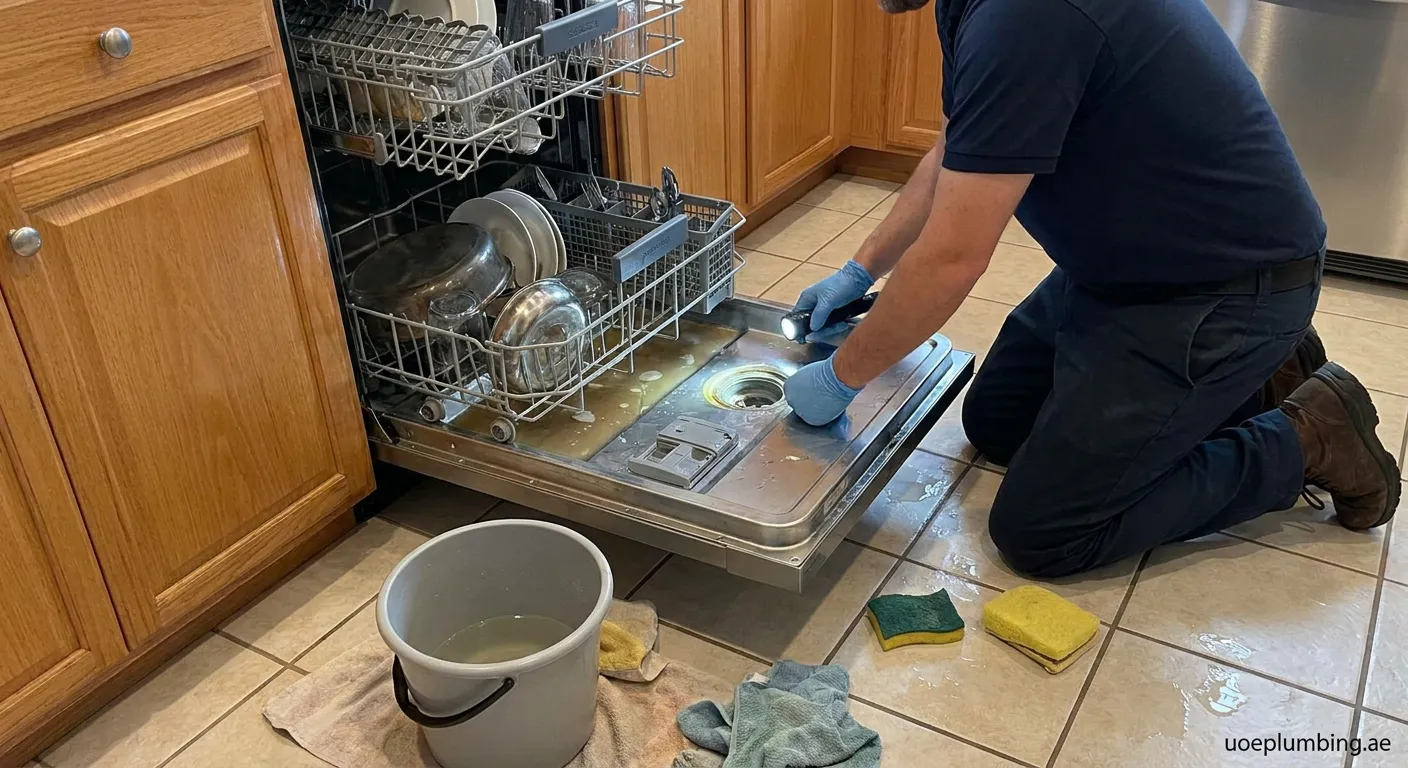
Finding standing dirty water in your appliance is frustrating. Our guide on troubleshooting a dishwasher that won't drain helps you fix clogs and restore proper drainage quickly.
Why Is Water Standing in Your Dishwasher?
Opening your dishwasher to discover a pool of murky, standing water at the bottom is a common household headache. In most cases, troubleshooting a dishwasher that won't drain begins with identifying simple blockages before assuming the entire motor or electronic control board is dead. Modern dishwashers rely on a sequential drainage system, meaning a disruption anywhere along the line will prevent water from pumping out.
Common Causes of Drainage Failure
- Clogged Filter Basket: Food scraps and grease accumulate over time, blocking water flow.
- Kinked Drain Hose: A pinched line behind or under cabinets stops the pump from expelling dirty water.
- Garbage Disposal Plug: Installing a new disposal without knocking out the drain plug causes immediate backups.
- Blocked Air Gap: The small cylinder on your sink counter can gather debris and create backpressure.
- Worn Drain Pump: A jammed impeller or failed solenoid will halt the discharge cycle completely.
Step-by-Step Guide for Dishwasher Drainage Issues
When tackling troubleshooting a dishwasher that won't drain, following a methodical process saves time and prevents unnecessary part replacements.
Step 1: Clear the Sump and Filter
Start by turning off the power to the unit. Remove the bottom dish rack and inspect the sump area at the base of the tub. Twist and pull out the cylindrical filter assembly. Rinse it thoroughly under hot running water with mild dish soap to remove grease and trapped food particles. Check inside the filter housing for foreign objects like broken glass, bones, or seeds.
Step 2: Inspect the Garbage Disposal and Air Gap
If your dishwasher drains through a garbage disposal, run the disposal with cold water to clear any waste. If you have an air gap device on your countertop, pop off the chrome cover and clean out any sludge using a small bottle brush or tweezers.
Pro Tip: Always disconnect the appliance power supply before disassembling parts or reaching into the pump housing.
Step 3: Check the Drain Hose for Kinks and Blockages
Pull the dishwasher forward slightly and examine the corrugated plastic hose. Straighten any sharp kinks. Disconnect the hose at the disposal or sink trap end to check for dense grease plugs. Flush the hose with warm water and vinegar if necessary to break down buildup.
Step 4: Examine the Drain Pump and Impeller
If the drainage path is clear but water remains, your dishwasher drainage problems may stem from the pump itself. Remove the lower access panel, locate the drain pump, and check if the impeller spins freely by hand. If it is jammed with debris, clear it carefully. If the motor hums without turning or shows zero electrical continuity, replacement is required.
Preventive Maintenance to Keep Water Flowing
To prevent future drainage problems after troubleshooting a dishwasher that won't drain, adopt good dishwashing habits:
- Scrape large food residue into the trash bin before loading plates.
- Clean the removable filter at least once a month.
- Run a cleaning cycle with white vinegar once every few months to dissolve limescale and grease.
Need Expert Appliance Help?
If clearing filters and hoses doesn't resolve standing water, professional help is essential. Our team provides fast, reliable Plumbing-services Al Fayha to fix stubborn clogs and restore your kitchen appliances quickly.
 Dishwasher Repair, Kitchen Plumbing, Appliance Troubleshooting
