


 Licensed
 All Dubai
 Home Improvement
Troubleshooting a Creaking Pipe: Expert Guide
 David Miller
 Dec 28, 2025
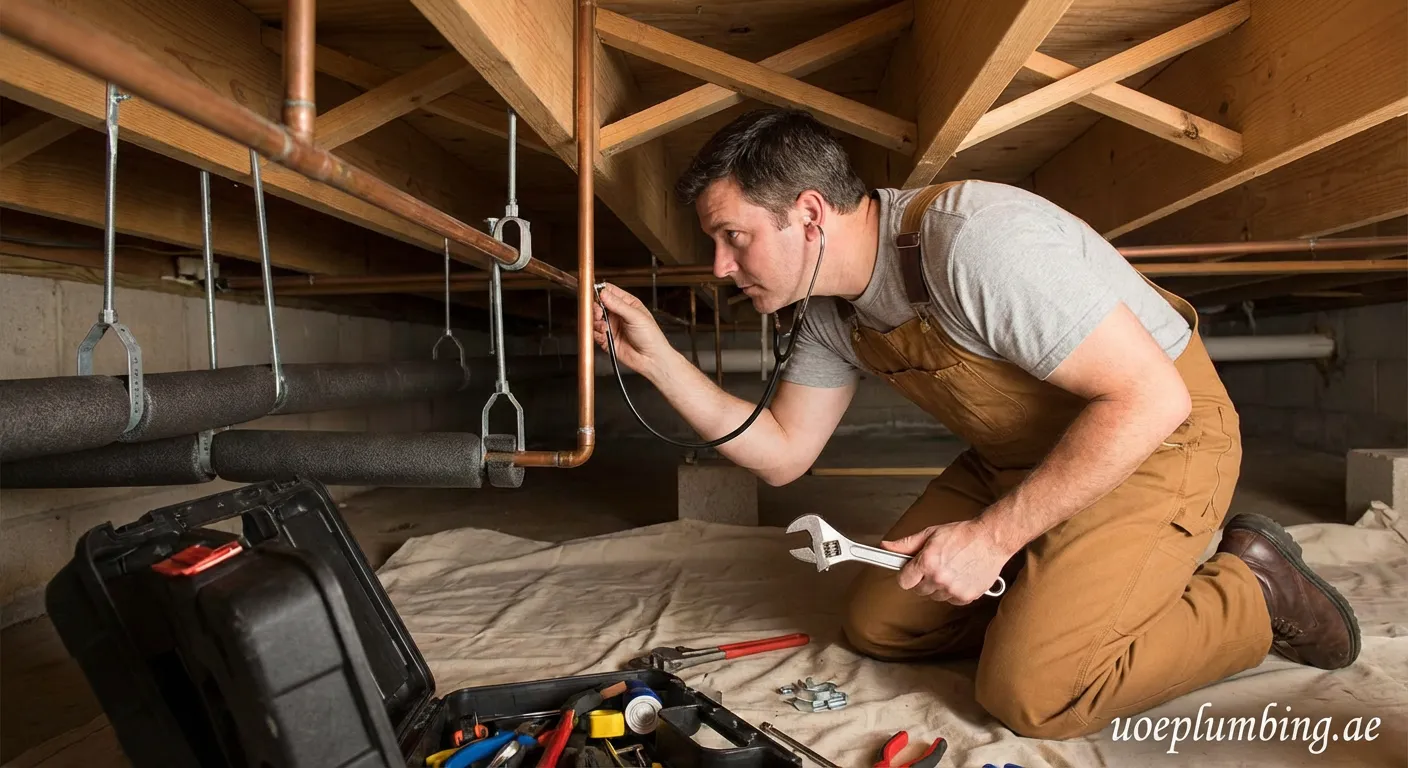
Hearing strange noises in your walls? Troubleshooting a creaking pipe can be tricky, but understanding the causes—from heat to loose clips—is the key to a quiet home.
hearing mysterious sounds from your walls or ceiling can be unsettling. Troubleshooting a creaking pipe is a common task for homeowners, especially those living in older properties with copper plumbing. These noises are rarely ghosts; they are physics in action. Understanding the root cause is the first step toward a quiet home.
Common Causes of Creaking Pipes
Before you can fix the issue, you must identify what is mechanically happening. Most plumbing noises fall into specific categories.
Thermal Expansion
This is the most frequent culprit. As hot water flows through a cold metal pipe, the copper expands. If the pipe is tight against a wooden stud or joist, the friction causes a distinct creaking or ticking sound. Once the water cools, the pipe contracts, often repeating the noise. Troubleshooting a creaking pipe caused by thermal expansion involves locating where the pipe touches the framework.
Loose Mounting Straps
Pipes are secured to your home's frame using clips or straps. If these are loose, the pipe can vibrate when water rushes through it. Conversely, if they are too tight (especially plastic clips on copper pipes), they restrict natural movement, leading to friction noises.
Water Hammer vs. Creaking
It is vital to distinguish between a "creak" and a "bang." Water hammer occurs when a valve closes suddenly, sending a shockwave through the water that slams against the pipe walls. While troubleshooting a creaking pipe, ensure you aren't actually dealing with water hammer, which requires different solutions like installing air chambers or arrestors.
steps for Troubleshooting a Creaking Pipe
Follow these actionable steps to diagnose and silence your plumbing.
- Isolate the Sound: Turn on the hot water and walk through the house. Listen near walls and ceilings. Does the sound start immediately or after a few minutes? Delayed sounds point to thermal expansion.
- Inspect Accessible Pipes: Check basements, crawlspaces, or utility rooms where pipes are exposed. Look for tight clamps or places where pipes pass through wood without clearance.
- Check Water Temperature: Extremely hot water causes rapid expansion. lowering your water heater temperature slightly (to around 120°F or 49°C) can reduce the severity of the expansion and the resulting noise.
Effective Solutions
Once you have finished troubleshooting a creaking pipe and found the source, try these fixes:
- Insulate the Pipes: Wrap accessible pipes with foam insulation. This prevents the metal from rubbing directly against wood and slows down heat loss.
- Loosen the Clips: If a strap is too tight, loosen it slightly or replace metal clips with plastic ones that allow for movement.
- Lubricate Contact Points: If a pipe is rubbing against a stud, slipping a piece of felt or applying heat-resistant grease between the pipe and the wood can eliminate the friction noise.
- Install Expansion Loops: For severe cases in long pipe runs, a plumber may install a flexible loop that absorbs the movement without transferring it to the house frame.
By systematically troubleshooting a creaking pipe, you can often resolve the annoyance with simple DIY adjustments, saving money on unnecessary repairs.
Silencing Your Plumbing System
Ignoring plumbing noises can lead to damage. If the issue persists after troubleshooting, consider professional help. We also offer specialized Pipe-replacement Umm Suqaym to ensure your system runs silently and safely.
 plumbing repair, noisy pipes, home maintenance, water hammer
