


 Licensed
 All Dubai
 Mechanical Seals
How to Fix a Leaking Carbon Seal: Complete Guide
 Michael Johnson
 Apr 02, 2026
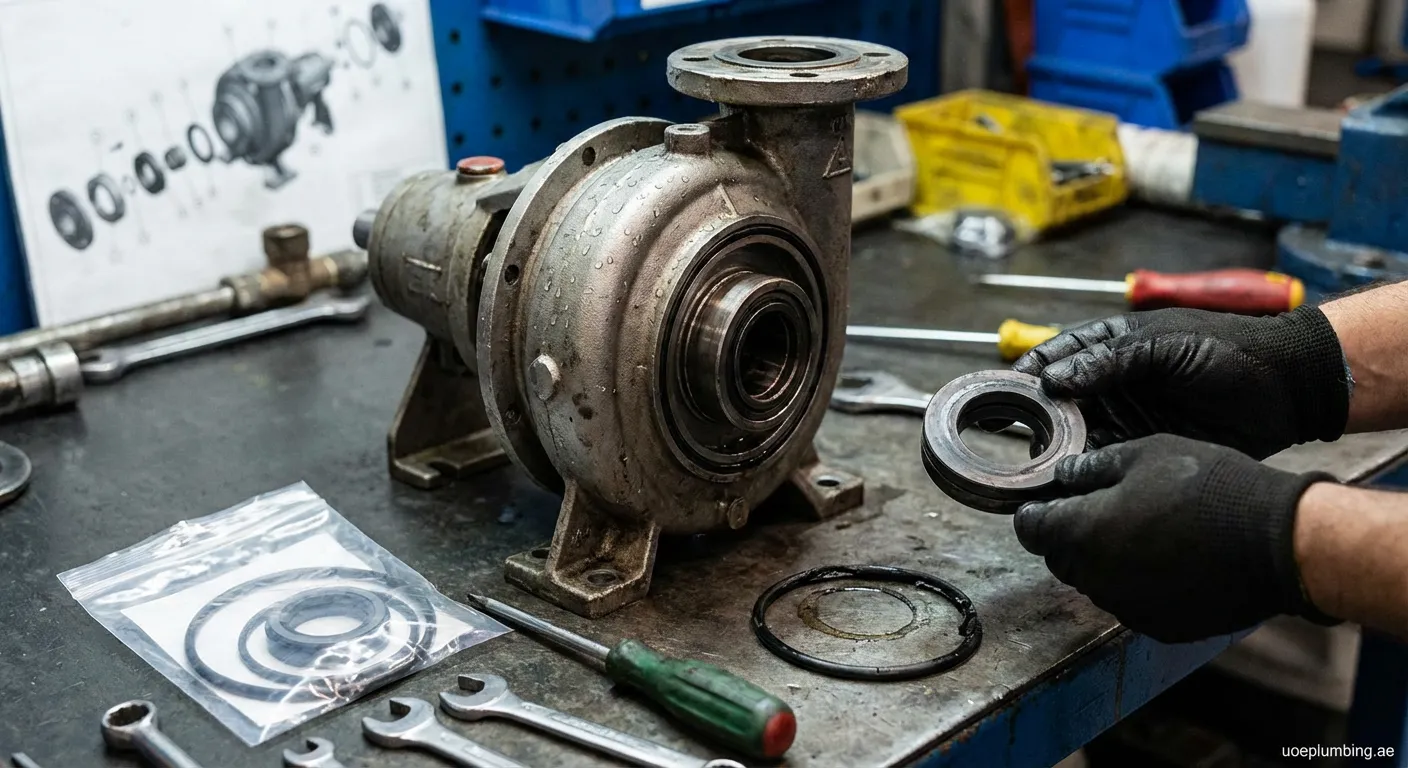
A leaking carbon seal can cause significant equipment damage and operational downtime. Understanding how to fix a leaking carbon seal properly saves both time and money. This guide covers essential steps.
Understanding Carbon Seal Leaks
Carbon seals are critical components in pumps, compressors, and rotating equipment. When they fail, fluid leaks can lead to environmental hazards, equipment damage, and costly downtime. Recognizing the signs early prevents major failures.
Common Causes of Carbon Seal Leaks
Several factors contribute to carbon seal failure:
- Wear and degradation: Normal operation gradually wears the sealing face
- Improper installation: Misalignment or incorrect positioning
- Thermal stress: Temperature fluctuations cause material fatigue
- Contamination: Particles damage the smooth sealing surface
- Chemical attack: Incompatible fluids degrade seal materials
Tools and Materials Needed
Before attempting repairs, gather these essential items:
- Replacement carbon seal kit
- Clean lint-free cloths
- Alcohol or approved solvent
- Calipers or micrometer
- Inspection mirror
- Torque wrench
- Installation tools (sleeves, cones)
- Personal protective equipment
Step-by-Step Repair Process
Step 1: Safety Preparation
Always isolate equipment before starting. Lock out power sources, depressurize systems, and drain fluids. Wear appropriate PPE including safety glasses and gloves.
Step 2: Disassembly and Inspection
Carefully disassemble the seal chamber. Remove the rotating assembly and inspect all components:
- Check for visible damage on seal faces
- Measure wear patterns using calipers
- Examine secondary seals (O-rings, gaskets)
- Inspect shaft for scoring or wear
Document findings with photographs for reference.
Step 3: Cleaning Components
Clean all surfaces thoroughly using approved solvent. Remove old sealant, debris, and contamination. Surfaces must be completely clean and dry before reassembly.
Step 4: Installing New Carbon Seal
Follow manufacturer specifications for how to fix a leaking carbon seal:
- Apply light oil or lubricant to seal faces
- Use installation tools to prevent damage
- Align components precisely
- Follow specified torque values
- Verify proper seating of all parts
Step 5: Reassembly and Testing
Reassemble equipment carefully. Restore power and conduct leak testing:
- Perform static pressure test
- Run equipment at low speed initially
- Monitor for leaks during operation
- Check temperature and vibration levels
Prevention and Maintenance Tips
Regular Inspection Schedule
Implement routine checks to catch issues early:
- Monthly visual inspections for leaks
- Quarterly performance monitoring
- Annual comprehensive seal evaluation
Operating Best Practices
Extend seal life through proper operation:
- Maintain stable operating temperatures
- Avoid rapid pressure changes
- Keep lubricants clean and at proper levels
- Train operators on correct procedures
Environmental Considerations
Control operating environment:
- Filter incoming fluids
- Remove abrasive particles
- Monitor chemical compatibility
- Maintain proper humidity levels
Troubleshooting Common Issues
| Problem | Possible Cause | Solution |
|---|---|---|
| Immediate leak after repair | Improper installation | Reinstall with correct alignment |
| Intermittent leaking | Shaft misalignment | Check coupling and bearings |
| Excessive wear | Abrasive contamination | Install filtration system |
| Seal degradation | Chemical incompatibility | Select appropriate seal material |
When to Seek Professional Help
Some situations require expert assistance:
- Complex multi-seal configurations
- Hazardous fluid handling systems
- High-pressure applications
- Repeated seal failures
Professional technicians have specialized tools and expertise for challenging repairs.
Cost Considerations
Carbon seal repair costs vary based on:
- Equipment type and size
- Seal complexity
- Labor requirements
- Downtime impact
Preventive maintenance typically costs 70% less than emergency repairs. Budgeting for regular maintenance prevents unexpected failures.
Successful Carbon Seal Repair
Knowing how to fix a leaking carbon seal empowers maintenance teams to respond quickly and effectively. Follow proper procedures, use quality replacement parts, and maintain regular inspection schedules. For complex seal issues, Dibba offers professional Pipe-replacement Dibba services with experienced technicians ready to assist.
 carbon seal repair, mechanical seal maintenance, seal leak fix
